

Best Industrial Desk Phones for Incoming Calls
Last Updated: November 16, 2026
Quick Summary
The best industrial desk phones for incoming calls prioritize a loud ringer with visual alerts, incoming-call-only design, durable handsets and cords, and line compatibility. HQ Telecom's Industrial Desk Phone at $99.99 suits incoming-call-only desks, while the Auto-dialer Emergency Desk/Wall Phone at $119.95 adds an adjustable ringer and LED alert for noisy workplaces.
- The Industrial Desk Phone costs $99.99 and its no-dial option blocks outgoing calls.
- The Auto-dialer Emergency Desk/Wall Phone at $119.95 pairs a Low/High ringer switch with an LED lamp.
- The Big Button Caller ID Phone offers 40dB+ handset volume and needs no batteries.
- Confirm your port type in writing, since an analog phone needs an FXS port or ATA.
- Keep one corded phone at the primary desk as a fallback when a cordless handset is charging.
Table of Contents
- What Makes a Desk Phone Right for Incoming Calls
- Industrial Desk Phone with Loud Ringer for Noisy Workplaces
- VoIP Desk Phone Hardware and Compatibility
- Desk Phone with Call Blocking to Stop Unwanted Calls
- Industrial Cordless Phone Options and Trade-offs
- Which HQ Telecom Phone Fits Your Front Desk
- Frequently Asked Questions
What Makes a Desk Phone Right for Incoming Calls
The best industrial desk phones for incoming calls are built around a single job: making sure a ringing line gets answered, every time, by someone who can hear it and reach it.
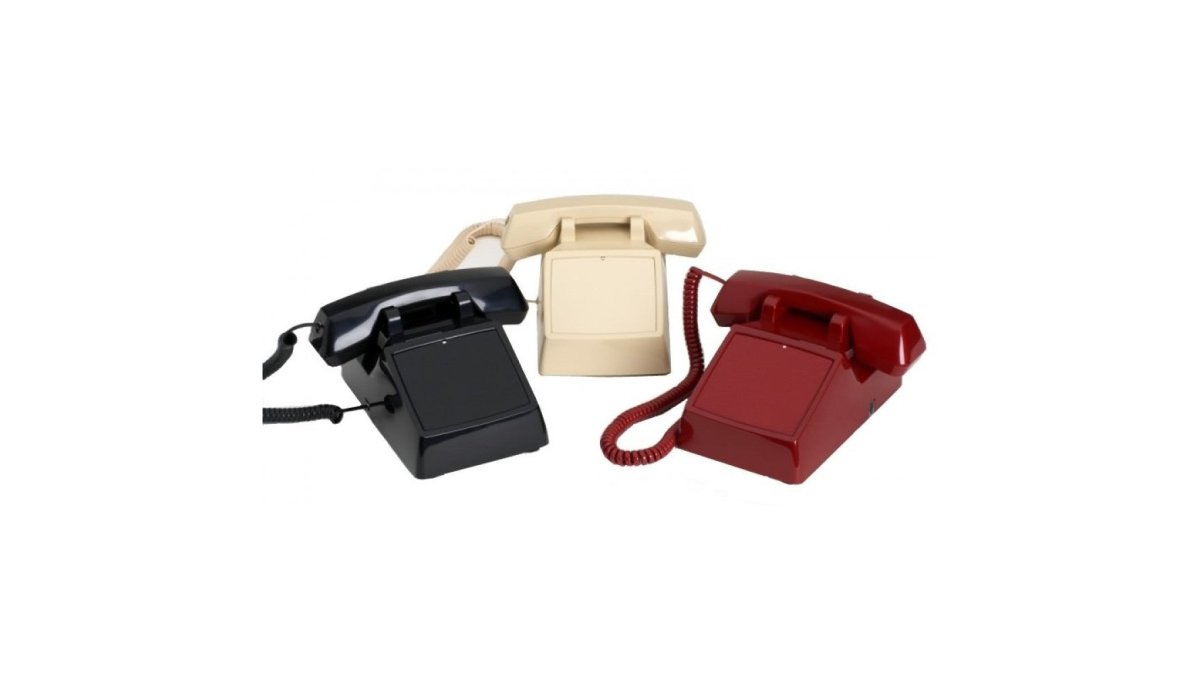
At HQ Telecom, we have 30 years of experience in telecommunications, and that shapes how we judge a phone for incoming-call duty.
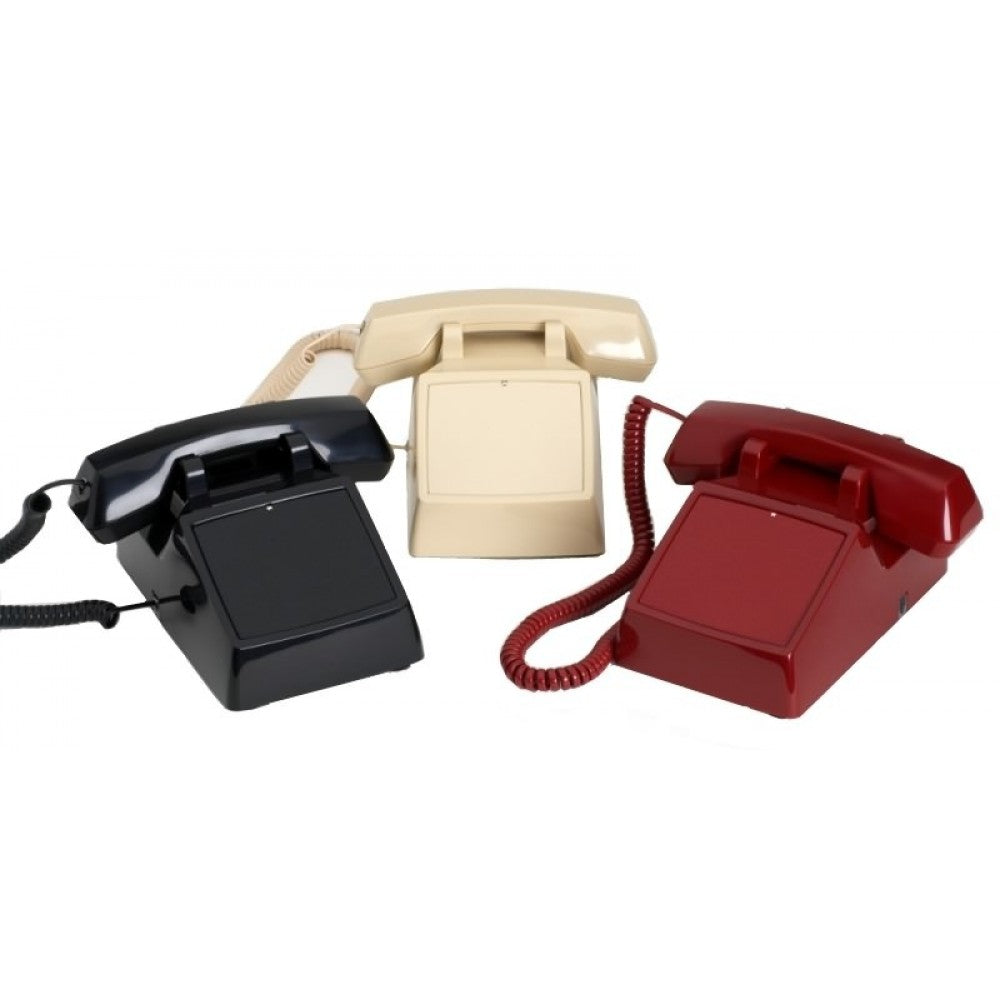
HQ Telecom's small-office buyer's guide lists an Industrial Desk Phone at $99.99 and describes it for incoming-call-only desks, which is exactly the use case this guide covers.
The criteria that actually decide the purchase:
- Ringer loudness and visual alert. A phone nobody hears is a phone nobody answers.
- Incoming-call-only design. Locking out outgoing calls stops misuse without blocking the calls that matter.
- Handset and cord durability. Coiled armored cords survive years of daily handling.
- Line compatibility. Analog, VoIP, or PABX support must match your existing wiring.
A common mistake is buying a general office phone and assuming it will cope with a noisy shop floor. It usually will not.
Industrial Desk Phone with Loud Ringer for Noisy Workplaces
An industrial desk phone with a loud ringer solves the noisy-workplace problem in two ways: it rings louder, and it flashes a visual alert so staff see the call even when they cannot hear it. Both matter in workshops, kitchens, and busy lobbies.
The Auto-dialer Emergency Desk/Wall Phone from HQ Telecom pairs an audible ringer with a Low/High ringer volume switch and a visual incoming-call LED lamp. The lamp also works as a message-waiting light on compatible systems.
Watch out: ring volume is only half the answer. If your phone line delivers a weak ring signal, a louder ringer alone may not reach the back of the room. That is where a ringer amplifier earns its place.
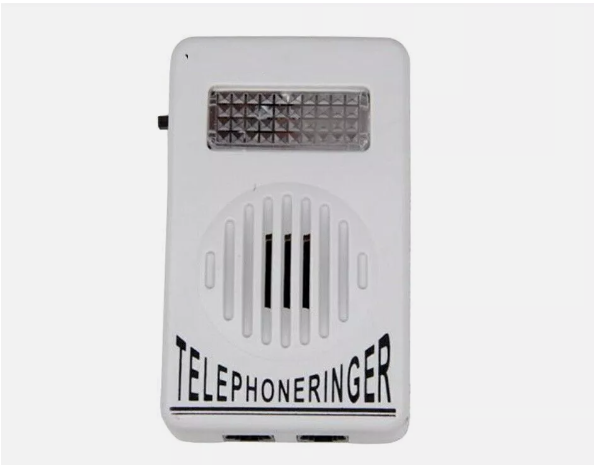
Our loud telephone ring ringer sound amplifier boosts the ring and adds a visual alert, and it suits phones that need a 24V ring signal your provider does not supply.
VoIP Desk Phone Hardware and Compatibility
VoIP desk phone hardware runs over an internet connection rather than a dedicated phone line, so compatibility is the first thing to confirm before buying.
A well-built analog desk phone can work behind a VoIP adapter or an analog terminal adapter (ATA).
Before you order, run these compatibility and infrastructure checks:
- Confirm your line type. Ask your provider whether the port is analog (FXS), digital, or a SIP/IP handset line. An analog desk phone needs an FXS port or an ATA; it will not plug directly into an IP PBX extension.
- Check the ring signal. Some VoIP providers and ATAs do not supply the 24V or 48V ring signal a traditional bell ringer needs. If the phone rings weakly or not at all, the fix is usually a ringer amplifier or a different ATA profile, not a new phone.
- Confirm power. Corded analog phones draw line power and need no separate supply; VoIP phones and ATAs usually need a power adapter or Power over Ethernet (PoE). Plan for an outlet or a PoE switch at the desk.
- Check cabling and mounting. A wall-mounted shop-floor phone needs a backplate and a cable route that will not be snagged; a lobby phone needs a cord long enough to reach the counter without stretching.
- Test before you commit. Place an incoming test call from a mobile and confirm the ringer, LED alert, and handset volume all work in the actual room, not just on the bench.
Watch out: a phone that works on the supplier's test line can still fail on your line if the ring signal or port type is wrong, so confirm the port type in writing before you buy.
If you are maintaining existing hardware, our guide on how to clean a desk phone keypad safely covers the routine care that keeps older phones working.
Desk Phone with Call Blocking to Stop Unwanted Calls
A desk phone with call blocking filters unwanted numbers before they reach your staff, which matters when a main line draws a steady stream of scam and robocall traffic. Blocking works best when you can build a list of known nuisance numbers and keep genuine customers flowing through.
Here is how we would approach it:
- Log nuisance numbers for two weeks before you buy, so you know the volume.
- Choose a phone or blocker that lets you add and remove numbers easily.
- Test with a colleague's phone to confirm real callers still get through.
Our call blockers category lets you compare models and pick the right fit for your call volume.
Industrial Cordless Phone Options and Trade-offs
Industrial cordless phones trade one thing for another: you gain mobility across a large floor, but you take on battery life, coverage-range limits, and a durability burden that a desk-bound phone never faces.
Where cordless falls short for incoming-call duty:
- Battery life. A dead handset is an unanswered call. Check the standby and talk-time ratings and whether the handset uses a replaceable battery pack or a sealed cell.
- Coverage range. Thick walls, steel shelving, and racking cut signal. Walk the actual floor with a test handset before you commit to a multi-handset system.
- Durability. Cordless handsets take more knocks than a desk-bound phone, and a dropped handset on a concrete shop floor is a common failure point.
Industrial-grade ratings matter for this environment. Once the enclosure is suited to its environment, practical desk accessories can help keep incoming calls manageable, with Electro Gift Shop offering another angle on outfitting a professional workspace.
For a fixed front desk, a corded phone avoids battery and radio-link dependencies. Cordless earns its place only where staff genuinely walk the floor, and even then a corded phone at the main desk plus a cordless handset for the floor is often the safer pattern than going fully cordless.
A practical selection sequence for a mixed environment:
- Map where staff actually answer calls and how far they walk from the base.
- Test coverage in the real building, not the showroom.
- Confirm the handset's battery type and replacement cost.
- Check the environmental rating against the room's dust, moisture, and temperature.
- Keep one corded phone at the primary desk as the fallback when a handset is charging or lost.
Which HQ Telecom Phone Fits Your Front Desk
Matching a phone to a front desk comes down to three questions: how loud is the space, do you need to lock out outgoing calls, and who is answering? Here is how our range maps to those answers.
| Phone | Price | Best For | Key Incoming-Call Feature |
|---|---|---|---|
| Industrial Desk Phone | $99.99 | Incoming-call-only desks | No-dial option blocks outgoing calls |
| Auto-dialer Emergency Desk/Wall Phone | $119.95 | Noisy workplaces | Adjustable ringer plus LED alert |
| Big Button Caller ID Phone | $79.99 | Seniors and shared desks | 40dB handset volume, bright ringer LEDs |
Price
The Industrial Desk Phone is suited to a lobby or shop counter where the phone should receive calls but not make them. The industrial desk phone product page shows the colors and options.
For offices comparing emergency-capable models, our roundup of desk phones with an emergency hotline goes deeper on response features.
The Big Button Caller ID Phone has large keys, 40dB+ handset volume, and bright ringer LEDs. It needs no batteries, as it is powered by the phone jack.
A missed call at the front desk is a customer who calls someone else.
Frequently Asked Questions
What features matter most in an industrial desk phone for incoming calls?
Focus on a loud, adjustable ringer and a visual ring indicator so staff never miss a call in a busy room. If the line is shared, a phone that restricts outgoing calls prevents misuse. HQ Telecom's Industrial Desk Phone at $99.99 is built for incoming-call-only desks and includes a traditional ring bell that requires 24/48 volts.
Are industrial desk phones compatible with VoIP systems?
Many are, provided the phone works on an analog line that is FSK or DTMF compatible. HQ Telecom's Industrial Desk Phone works on any analog phone line, including PSTN and VoIP, and is line-powered so it keeps its programming even when disconnected. The Auto-dialer Emergency Desk/Wall Phone also works behind a standard analog line or registered PABX system, but it cannot be used with digital PABX station ports, so check your system before ordering.
How do you choose a desk phone with a loud ringer for a noisy workplace?
Check the ringer type and volume controls first. HQ Telecom's Industrial Desk Phone offers a traditional ring bell that requires 24/48 volts. Look for a high/low ringer switch and a bright LED alert so staff can see a call even when they cannot hear it. The Auto-dialer Emergency Desk/Wall Phone adds a visual incoming-call LED lamp and a low/high ringer volume switch for loud rooms.
Should a busy workplace use a desk phone or a cordless phone?
A corded desk phone suits a fixed reception or service counter because it needs no battery. An industrial cordless phone suits staff who move around a warehouse or shop floor, but you trade battery life and coverage range for mobility. For incoming-call-only desks, a corded model such as the Industrial Desk Phone is designed to receive calls only.
